What counts as a historic place? The four labels, explained
The short answer
A place counts as historic, officially, when it carries one of four labels: listed on the National Register of Historic Places, designated a National Historic Landmark, protected as a National Park System unit, or inscribed as UNESCO World Heritage. Only park units reliably mean public hours; the other labels describe significance, not access.
Four labels
- NRHP National Register95,000+
- NHL Historic Landmark2,600+
- NPS Park System unit434
- WHS World Heritage1,273
What is the National Register of Historic Places?
The National Register of Historic Places is the official federal list of buildings, districts, sites, structures and objects worth preserving. The National Park Service keeps it, and more than 95,000 properties have been listed, as of June 2026. Listing honors a place; most listed properties are privately owned and are not open to visitors.
For a visitor, a National Register plaque on a house usually means “look from the sidewalk.” It is most useful as a sign of a whole historic district worth walking through. How buildings get listed, and what listing means for owners, is a subject of its own: historicbuildings.com covers the listing process in detail.
What is a National Historic Landmark?
A National Historic Landmark is a place the Secretary of the Interior has designated as nationally significant in American history. There are over 2,600, as of August 2026, from Mount Vernon to Taos Pueblo. Designation does not require public access, and the National Park Service does not run most of them.
Landmarks are the Register’s top tier: every landmark is also listed on the Register. Our guide to National Historic Landmarks to visit covers how to find the ones that open their doors.
What is a National Park System unit?
A National Park System unit is any area the National Park Service manages: 434 of them, covering more than 85 million acres, as of October 2026. Alongside national parks they include national historic sites, historical parks, military parks, battlefields, monuments and memorials. These are the historic places with rangers and posted hours.
The title tells you the type: a National Historical Park such as Independence covers several places, a National Historic Site usually one, and a National Military Park such as Gettysburg a battlefield. The NPS also works with more than 150 related areas it does not manage.
What does UNESCO World Heritage mean for a US site?
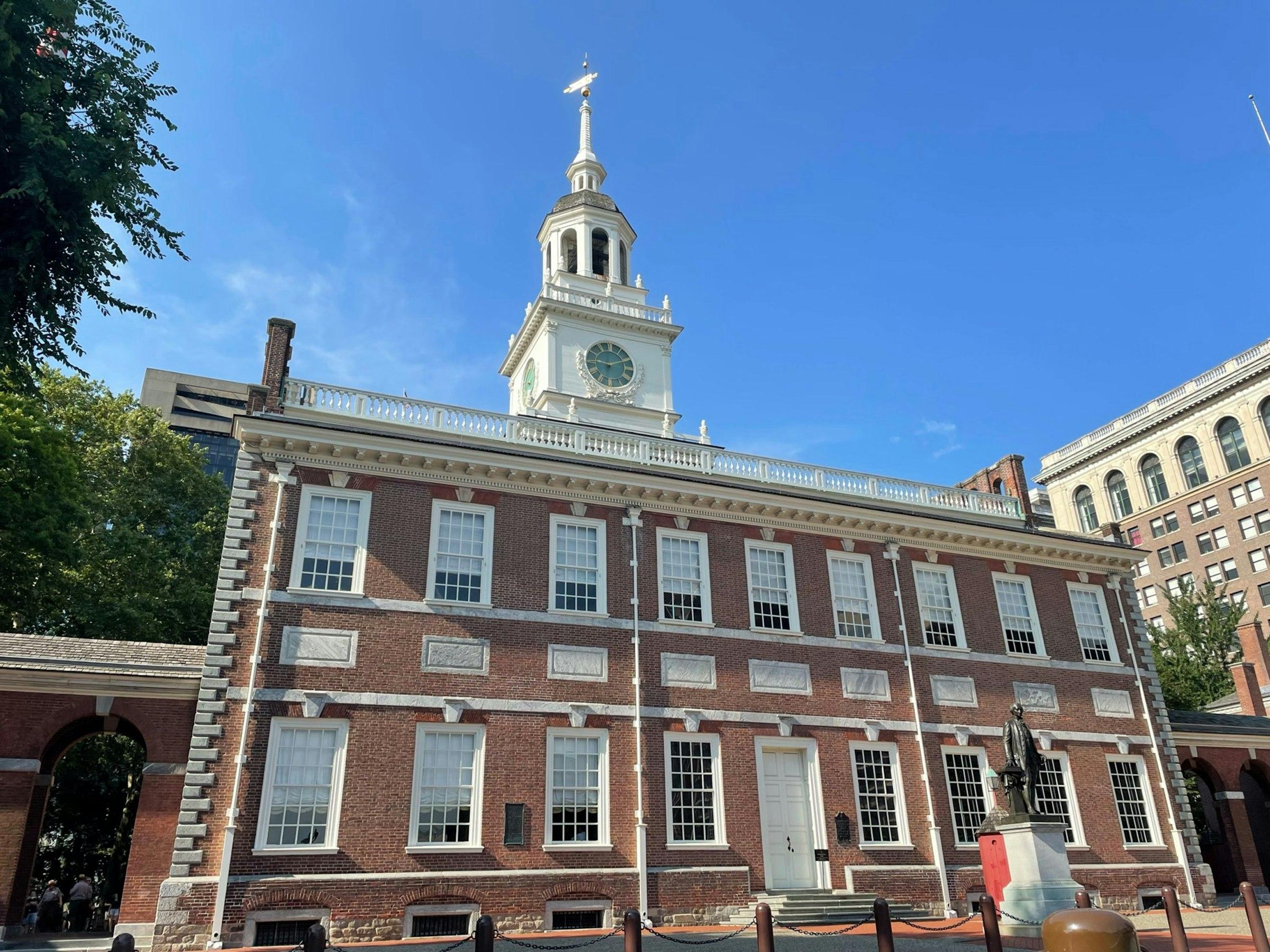
UNESCO World Heritage is an international listing for places of outstanding universal value, under a 1972 convention. The United States has 27 sites after Okefenokee was added in July 2026. Inscription is recognition plus a duty to conserve; visiting is still run by the place’s own managers, such as the NPS at Independence Hall.
The full US list and seven famous sites abroad are on our World Heritage guide.
How do the four labels compare for a visitor?
Think of the labels as a funnel. The National Register is the widest list and the least likely to be open. National Historic Landmarks are fewer and more famous, but often private. Park System units are built for visitors. World Heritage marks global importance and sits on top of whichever of the others applies.
| Label | Count (dated) | Who decides | Open to visit? |
|---|---|---|---|
| National Register | 95,000+ (NPS, Jun 2026) | NPS, on nomination | Rarely; most are private |
| National Historic Landmark | 2,600+ (NPS, Aug 2026) | Secretary of the Interior | Sometimes; ask the owner |
| National Park System unit | 434 (NPS, Oct 2026) | Congress or presidential proclamation | Yes, with posted hours |
| UNESCO World Heritage | 1,273 worldwide, 27 in the US (Jul 2026) | World Heritage Committee | Usually; rules set by the manager |
How did these labels come about?
The labels were added one law at a time over the 20th century: monuments in 1906, the Park Service in 1916, national historic policy in 1935, the National Trust in 1949, the National Register in 1966, and the World Heritage Convention in 1972. Each layer answered a different question about what to protect.
- 1906
The Antiquities Act
Lets presidents proclaim national monuments, first used for places such as Devils Tower and, soon after, prehistoric ruins in the Southwest.
- 1916
The National Park Service is created
The Organic Act sets up the NPS to manage the parks and monuments already protected, and many more historic places later.
- 1935
The Historic Sites Act
Makes the preservation of nationally significant historic places national policy, the basis for the National Historic Landmarks program.
- 1949
The National Trust is chartered
Congress charters the National Trust for Historic Preservation, a private nonprofit that today looks after 27 historic sites open to the public.
- 1966
The National Historic Preservation Act
Creates the National Register of Historic Places, the Advisory Council on Historic Preservation and the state historic preservation offices.
- 1972
The World Heritage Convention
UNESCO adopts the convention that created the World Heritage List. The first sites, Mesa Verde among them, are inscribed in 1978.
- 2026
1,273 World Heritage properties
The July 2026 session in Busan adds 25 sites, including Okefenokee National Wildlife Refuge, the only new US entry.
Frequently asked questions
The National Register of Historic Places is the broad official list, with more than 95,000 listings judged worthy of preservation at local, state or national level. National Historic Landmarks are a much smaller group, over 2,600, that the Secretary of the Interior has designated as nationally significant. Every landmark is also on the Register.
Not necessarily. Designation recognizes significance; it does not require public access. Many National Historic Landmarks are private homes, working buildings, campuses or ships. The National Park Service advises contacting each landmark directly to find out whether it is open, because it does not run most of them.
No. The National Park System's 434 units include national parks, monuments, seashores and recreation areas as well as national historic sites, historical parks, battlefields and memorials. Many of the most-visited historic places are park units, which is why they have rangers, posted hours and, increasingly, timed tickets.
World Heritage inscription is an international recognition under a 1972 convention, not a US land designation. In the United States, sites are protected by the laws that already cover them, such as park status or state ownership. Inscription adds a commitment to conserve the place and to report on its condition.
Sources
- 1.National Register of Historic Places: database and researchNational Park Service, updated Jun 4, 2026
- 2.National Historic Landmarks ProgramNational Park Service, updated Aug 20, 2026
- 3.Visiting National Historic LandmarksNational Park Service
- 4.About the National Park SystemNational Park Service, updated Oct 26, 2026
- 5.World Heritage Sites in the United StatesNational Park Service, Office of International Affairs, updated Jan 23, 2026
- 6.2026's new UNESCO World Heritage sites (48th session, Busan, July 19 to 29, 2026)Frommer's, Jul 2026
- 7.Historic sitesNational Trust for Historic Preservation
- 8.About the ACHPAdvisory Council on Historic Preservation
Checked . Hours, prices and booking rules change, so confirm on the official site before you travel. We sell no tickets and are not paid by any place named. How we check facts · Disclaimer
Related guides
 Places
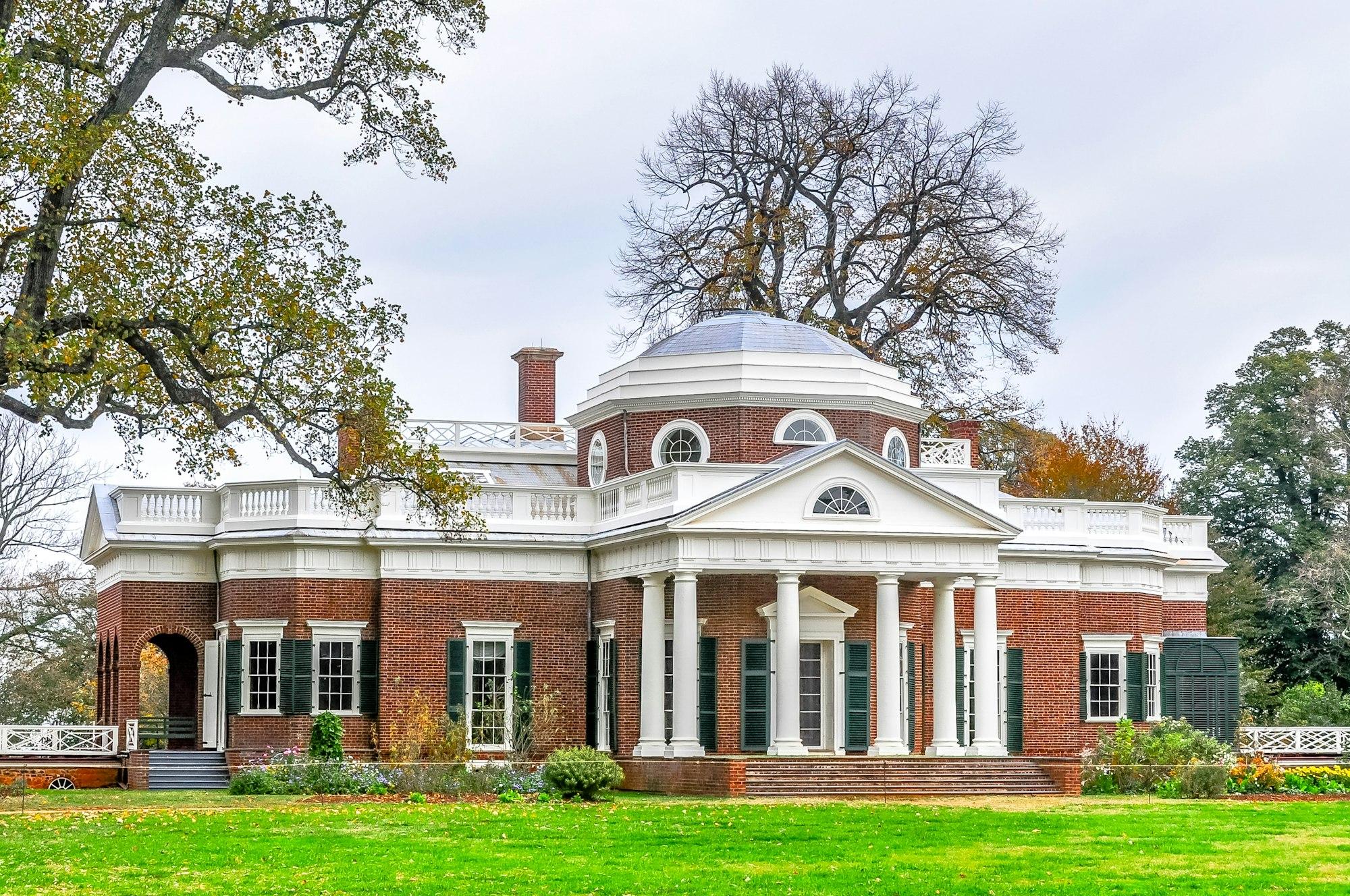
NHLs to visit
Over 2,600 landmarks. How to find the ones that open their doors.
Read the guide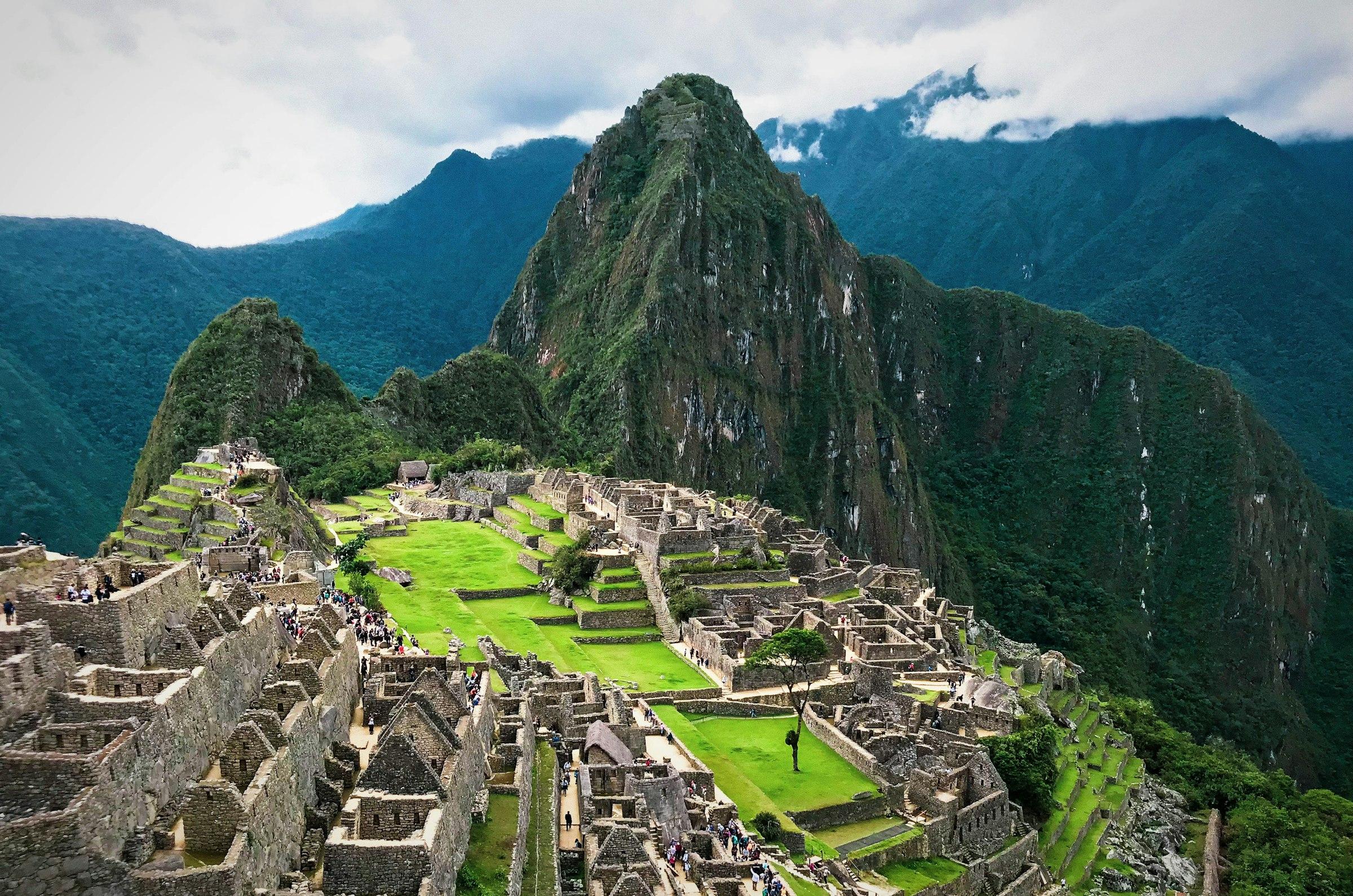 Places
UNESCO World Heritage sites
1,273 places on the list. The US ones, and seven to plan for.
Read the guide- Reference
Glossary
The words on the signs and the booking pages, one sourced line each.
Read the guide